The surface tells you the process
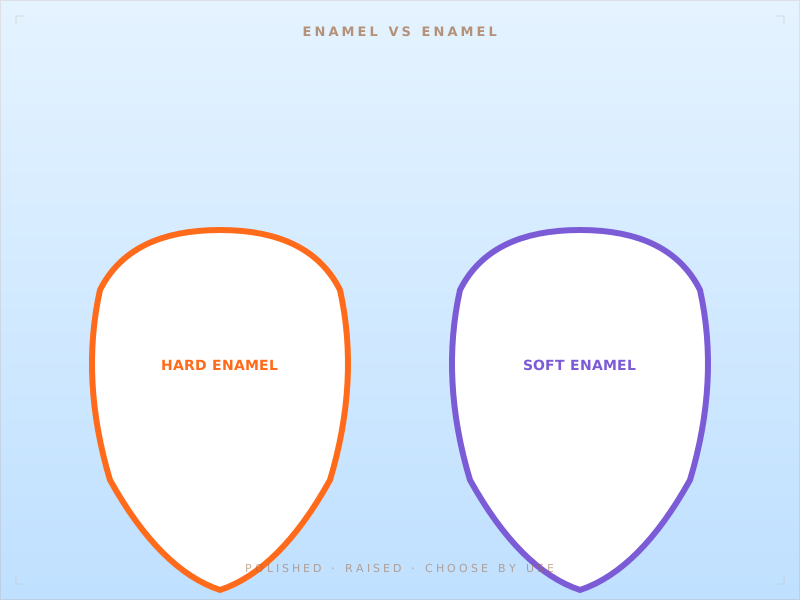
Hard enamel is polished flush with the metal rim — a flat, glass-like surface you cannot feel with a fingernail. Soft enamel keeps color recessed between raised metal outlines. Neither is "better"; they answer different briefs.
Mold economics flip at around six designs
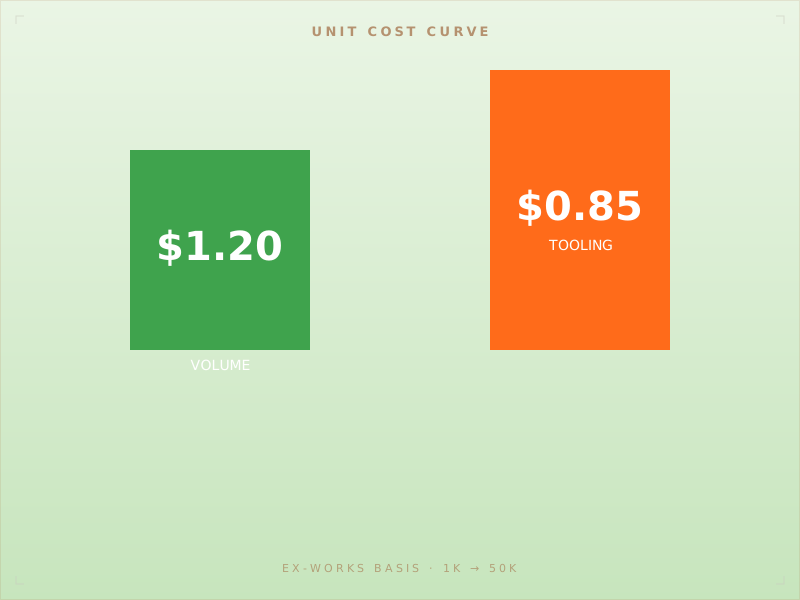
Hard enamel molds run cheaper per design but the polishing step adds labor per unit. Soft enamel molds are pricier, yet the color fill is faster. Under roughly six designs at 1,000 units each, hard enamel usually wins on total program cost; above it, soft enamel's cheaper per-color policy takes over. Ask your factory to quote both at your real design count — the crossover is program-specific.
Color counts are priced differently
Hard enamel prices color as added polishing complexity; most factories absorb up to six colors. Soft enamel prices color as fill time; eight colors is a common free ceiling. A ten-color design is often cheaper in soft enamel even at low volumes.
Durability is a use-case question
Hard enamel's flush surface resists scratching on keyrings and daily-carry items. Soft enamel's recessed fields can chip at the edges under hard use but hide fine wear better visually. For bag charms and badge programs on uniforms, we recommend hard enamel; for artist pins handled occasionally, soft enamel is fine and reads more hand-crafted.
Ask for the cross-section sample
Any competent factory can mail a sectioned pin showing enamel depth, plating thickness and post weld. Fifteen minutes with that sample prevents most post-shipment disputes we see.